
June 2026 Newsletter 
President's Report
Dear CPCU Atlanta Members & Friends,
Summer has arrived, and with it comes something I find genuinely energizing: new beginnings. Scroll through LinkedIn on any given day and you will find a wave of posts about summer internships and first jobs in insurance. I am experiencing that energy firsthand this week as a former intern joins my team. There is something special about witnessing the start of a career, that blend of curiosity, ambition, and the realization that there is so much ahead to learn.
For those of us a bit further down the road, summer is also a good moment to pause and reflect. What drew you to risk and insurance in the first place? What motivated you to pursue your CPCU designation? And perhaps most importantly, how are you continuing to grow, and how are you helping others do the same? The next generation of insurance professionals is arriving with fresh eyes and bold questions. They deserve our mentorship as much as we deserve the perspective they bring.
Continuous learning has never been more urgent. Our industry is changing rapidly, driven in large part by the growth of artificial intelligence. I recently earned my AI Governance Professional certification through training alongside colleagues on my Model and AI Risk Management team. Even with several years in this space, I came away with significant new knowledge, particularly around the evolving legal and regulatory landscape surrounding AI. If someone working in the field daily still found that much to learn, the opportunity for all of us is enormous.
So here is my challenge to you this summer: find one thing that stretches you. Take a course, earn a certification, attend a session outside your usual focus area, or simply have a conversation with someone whose experience differs from your own. Growth rarely announces itself. More often, it shows up quietly in the moments we choose curiosity over comfort.
Speaking of learning opportunities, be sure to register for Atlanta Risk Focus 2026 by July 1 to take advantage of the early bird discount!
Elizabeth Gieseking
CPCU Atlanta Chapter President
Calendar of Events

Upcoming events:
- Volunteer Event at Virginia Highlands Farmers Market: June 14
- All spots are filled! Thank you to those who volunteered for this event!
- Atlanta Risk Focus 2026, September 17th 8:00-3:00, Roam Perimeter Center
- Register by July 1 to save $50!
More events are being planned for summer so be sure to stay connected to our LinkedIn page.
Diversity & Inclusion

June is a powerful time to recognize the stories, identities, and contributions that strengthen our communities and workplaces. This month’s Diversity & Inclusion observances invite reflection, learning, and meaningful allyship—reminding us that inclusion is not passive. It’s something we practice through learning, respect, and intentional action. Together, these observances encourage us to broaden our perspectives, honor lived experiences, and continue building environments where everyone can thrive with dignity.
- Caribbean American Heritage Month honors the rich and diverse culture of Caribbean Americans—celebrating history, traditions, music, foodways, faith practices, and the many contributions Caribbean people have made across the United States. It’s also an opportunity to recognize the strength, resilience, and community spirit that Caribbean Americans bring to their workplaces and neighborhoods.
- Immigrant Heritage Month gives people across the United States space to reflect on the histories and contributions of immigrants. It highlights how migration stories—marked by courage, adaptation, and determination—shape American communities and strengthen the social and professional fabric of the country. Celebrating Immigrant Heritage Month encourages us to listen to individual journeys and recognize that immigration experiences vary widely across generations and backgrounds.
- Pride Month (LGBTQ+ Pride Month) recognizes the impact that LGBTQ+ individuals and communities have had—and continue to have—on society. Pride Month also affirms the importance of dignity, equality, and inclusion for people of diverse sexual orientations and gender identities. Beyond celebrations, Pride is a call to action: to protect rights, promote safety, and ensure equitable opportunities where everyone can be their full selves without fear or discrimination.
- National Indigenous History Month (Canada) recognizes and celebrates the history, heritage, resilience, and diversity of First Nations, Inuit, and Métis peoples. This observance supports greater awareness of Indigenous communities and contributions, while also encouraging thoughtful reflection on the ongoing importance of truth, recognition, and respect. It’s a meaningful time to learn about Indigenous cultures and support efforts that promote understanding and inclusion.
- Juneteenth (June 19) commemorates the day in 1865 when enslaved people in Texas learned they were free—an important milestone in the journey toward freedom and civil rights in the United States. Juneteenth serves as a reminder of the resilience of those who endured slavery, and it underscores the work still ahead to address inequality, ensure justice, and honor the legacy of liberation.
As we reflect on June’s Diversity & Inclusion highlights, we encourage all members to engage in learning, celebration, and advocacy—helping build inclusive cultures where everyone is respected, valued, and supported.
Lunch & Learn
Mold & Water Intrusion Claims: Why Small Water Losses Become Large Claims
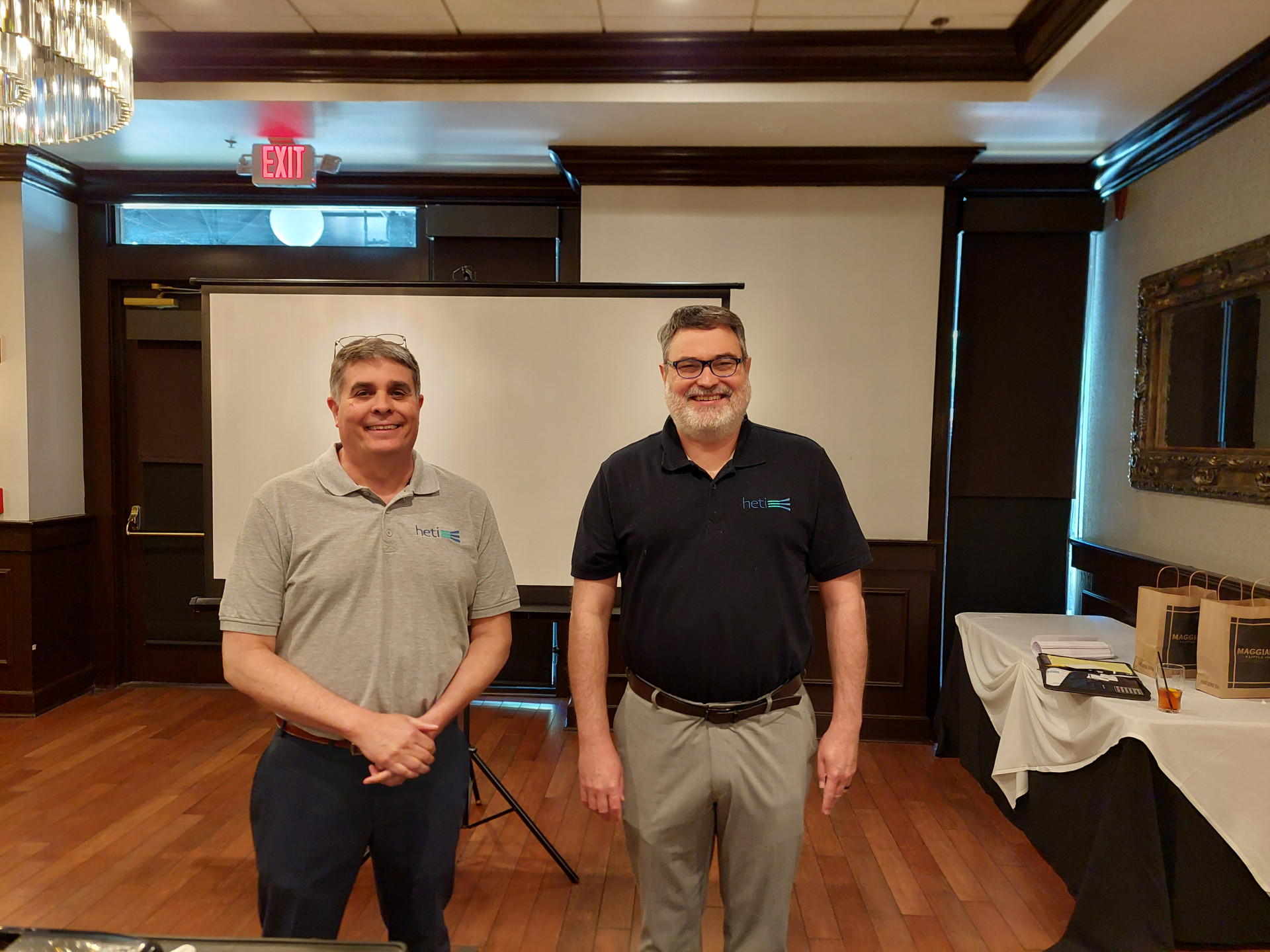
Who would have thought that a conversation on mold would be such a big hit over lunch! The CPCU Atlanta Chapter CPCU welcomed Jim Durant and Russ Greatorex at our May Lunch & Learn. This well-attended session sparked lively discussion throughout the room and gave attendees a practical look at why seemingly minor water losses so often grow into major claims.
A water intrusion event, whether from a burst pipe, roof leak, flooding, or HVAC failure, can quickly escalate from a minor repair into a costly mold remediation claim. The key driver is time: mold only needs 24 to 48 hours of moisture, a food source like drywall or insulation, and temperatures between 60 and 85 degrees to begin growing. When insurers and property owners take a reactive approach by delaying cleanup, using multiple uncoordinated vendors, or acting without a proper investigation, costs multiply through unnecessary remediation, potential litigation, and regulatory fines. A proactive model emphasizes early identification, controlled response, and proper documentation to keep claims manageable.
Not all mold situations are created equal, and understanding the facts helps prevent overcorrection. Most people exposed to mold experience no symptoms, with allergic reactions being the most common effect. Mold testing is generally not necessary when visible growth is present; the right response is simply remediation. Porous materials like drywall, insulation, and carpet padding typically require removal, while non-porous surfaces like concrete, metal, and tile can usually be cleaned and retained. One often-overlooked factor that can dramatically expand a claim's scope is the presence of legacy building materials. In structures built before 1980, mold-related demolition work can disturb asbestos, lead-based paint, or PCBs, all of which trigger additional regulatory requirements and costs. Thorough investigation before expanding remediation scope, combined with careful documentation throughout the process, is the most effective way to protect both insurers and property owners from runaway claims.

